About This Content
This article explains fibre's role in digestive health and satiety. It is not medical advice. Individuals with digestive conditions should consult healthcare providers before making significant dietary changes, particularly when increasing fibre intake.
What Is Dietary Fibre?
Dietary fibre is the indigestible portion of plant foods. Unlike other carbohydrates, fibre passes through the digestive tract largely unchanged, providing no calories yet profoundly affecting digestive health and satiety signals.
Fibre is found exclusively in plant-based foods: vegetables, fruits, whole grains, legumes, nuts, and seeds. Animal products—meat, fish, dairy, eggs—contain no fibre.
Soluble Fibre
Soluble fibre dissolves in water, forming a gel-like substance in the digestive tract. This gel slows gastric emptying (the rate at which food leaves the stomach), resulting in slower glucose absorption and prolonged satiety signals.
Common Soluble Fibre Sources
- Oats - One of the highest soluble fibre sources, with roughly 4-5 grams per cooked cup. Beta-glucan, oats' primary soluble fibre, has been extensively studied for cholesterol and glucose effects.
- Beans and Lentils - Rich in soluble fibre, providing 7-8 grams per cooked cup alongside protein and micronutrients.
- Apples - Medium apple with skin contains roughly 4 grams of fibre, roughly half soluble.
- Barley - Similar fibre profile to oats; commonly used in soups and grain salads.
- Citrus Fruits - Oranges, grapefruits, and lemons contain soluble pectin alongside vitamin C.
Insoluble Fibre
Insoluble fibre does not dissolve in water. Instead, it adds bulk to stool, promoting regular bowel movements and supporting colon health. Insoluble fibre also provides mechanical stimulation of the digestive tract.
Common Insoluble Fibre Sources
- Whole Wheat - Whole wheat bread and pasta contain roughly 3-4 grams of fibre per serving, primarily insoluble.
- Brown Rice - Whole grain rice contains the bran layer, providing roughly 3-4 grams per cooked cup.
- Leafy Greens - Spinach, kale, and other vegetables are fibre-rich with minimal calories.
- Nuts and Seeds - Almonds, peanuts, and seeds are high in insoluble fibre alongside healthy fats.
- Root Vegetables - Carrots, beets, and parsnips provide insoluble fibre, particularly in the skin.
Fibre's Role in Digestion and Satiety
Fibre slows carbohydrate digestion and glucose absorption. This steadier glucose release results in more gradual blood sugar elevation and sustained energy. The mechanical fullness from fibre—both its gel-forming and bulking properties—triggers stronger satiety signals.
Research consistently shows that high-fibre meals are associated with greater satiety and reduced subsequent intake compared to low-fibre meals of similar calories. For individuals monitoring eating patterns, adequate fibre is a practical tool.
Practical Fibre Intake
Current guidelines recommend 25-35 grams daily for adults. Most Western populations consume roughly 15 grams, suggesting potential room for increase. Increases should be gradual, accompanied by adequate water, as rapid fibre increases can cause digestive discomfort.
Whole fruits provide more fibre than juices due to loss of pulp. Whole grains provide more fibre than refined versions. Beans and lentils are among the most fibre-dense foods available, making them efficient fibre sources.
Beyond Satiety: Additional Benefits
Fibre serves beneficial roles beyond appetite: prebiotic fibre feeds beneficial gut bacteria, supporting a healthy microbiome. Adequate fibre intake is associated with reduced risk of various chronic conditions. Fibre supports regular bowel function and may reduce digestive discomfort.
These benefits occur at the general population level and vary individually. Fibre is not a "superfood" but rather an essential food component supporting overall health.
Identifying High-Fibre Foods
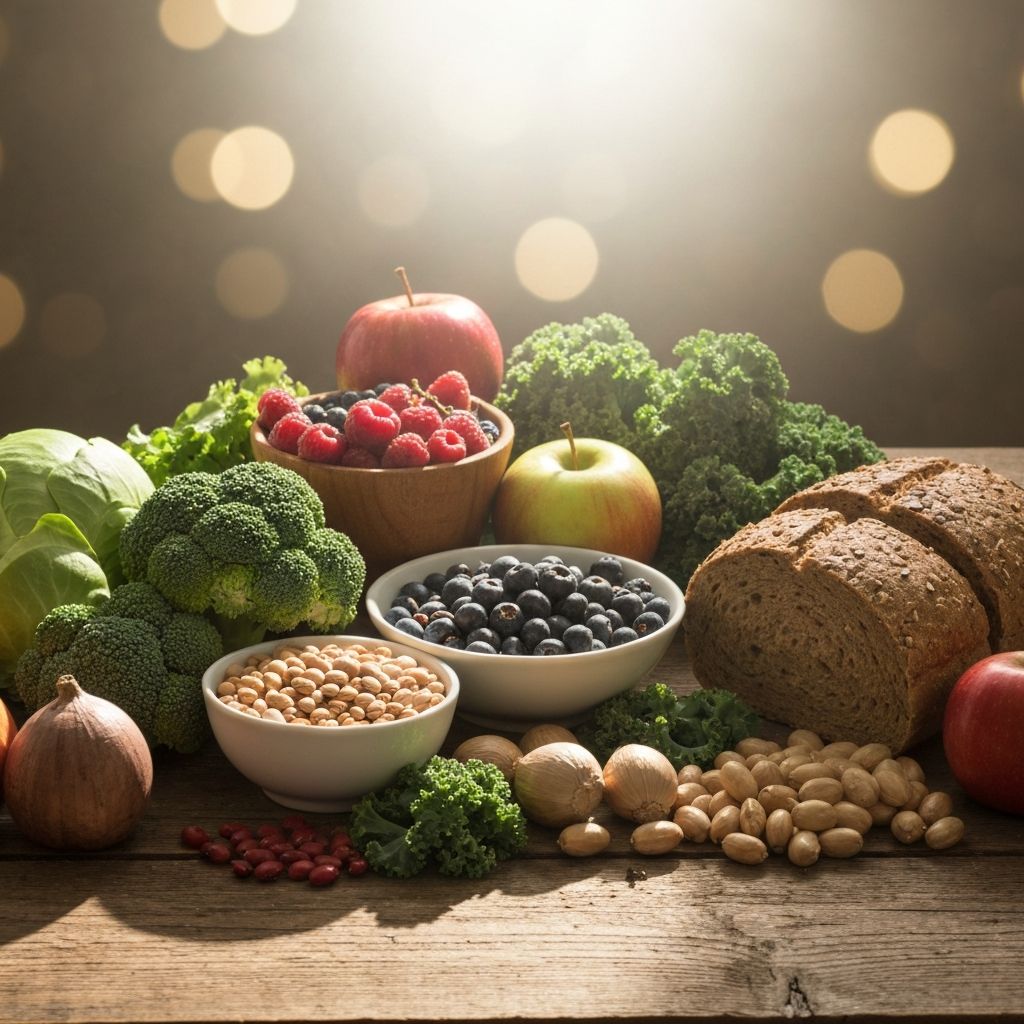
Foods naturally high in fibre include legumes, whole grains, vegetables, fruits with edible skin, nuts, and seeds. Refined products—white bread, white rice, peeled fruits—are lower in fibre due to removal of the outer layers where most fibre concentrates.
Nutrition labels typically list fibre content. General guidance: foods with 3+ grams per serving are good sources; 5+ grams constitute excellent sources.
Important Note
Individuals with irritable bowel syndrome, Crohn's disease, or other digestive conditions may have individual fibre tolerances. Rapid increases in fibre can cause bloating or discomfort. Healthcare providers and registered dietitians can offer personalised guidance for specific health situations.